10 Simple Science Experiments You Can Do at Home
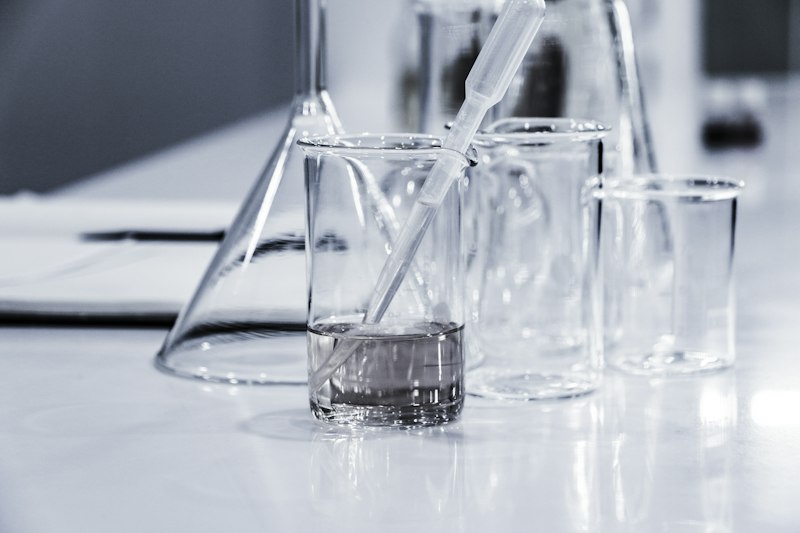
Have you ever wanted to be a scientist and do amazing experiments at home? Good news—you don't need a fancy laboratory or expensive equipment! You can discover incredible things about how the world works using items you probably already have in your kitchen or around your house. These experiments are safe, fun, and will teach you real science concepts that scientists study every day.
Science is all about asking questions, making predictions, and testing ideas. When you do an experiment, you're doing what real scientists do—you're exploring, discovering, and learning how things work. And the best part? Experiments are hands-on, which means you get to touch, mix, shake, and watch cool things happen!
1. Baking Soda and Vinegar Volcano
One of the most famous science experiments is the classic volcano. It's dramatic, exciting, and teaches you about chemical reactions. When baking soda (a base) meets vinegar (an acid), they react and create carbon dioxide gas, which makes the foaming eruption you see.
Materials:
- Baking soda (about 2 tablespoons)
- Vinegar (about half a cup)
- Food coloring (optional, red or orange looks cool)
- A small bottle or container
- A tray or pan to catch the mess
- Dish soap (a few drops, optional)
Steps:
- Place your bottle in the center of the tray.
- Add the baking soda to the bottle.
- Add a few drops of food coloring if you want.
- Add a few drops of dish soap to make the foam last longer.
- When you're ready, pour the vinegar in and step back!
Watch the fizzing eruption flow out of your volcano. Try adding more or less baking soda and vinegar to see how it changes the eruption. You can also build a paper-mache volcano around your bottle to make it look even more realistic!
2. Growing Beans in a Bag
This experiment lets you watch a plant grow from a seed right before your eyes. Beans are perfect for this because they sprout quickly and have big, easy-to-see roots and stems.
Materials:
- A clear ziplock bag
- Paper towels
- Dry beans (like kidney beans or lima beans)
- Water
- Tape
- A window with sunlight
Steps:
- Fold a paper towel so it fits inside the ziplock bag.
- Dampen the paper towel with water—it should be wet but not dripping.
- Place the damp paper towel in the bag.
- Put 2-3 beans on the paper towel, near one end.
- Seal the bag most of the way (leave a little opening for air).
- Tape the bag to a window that gets lots of sunlight.
- Check it every day and watch the roots and stem grow!
In a few days, you'll see the bean crack open and a tiny root push out. Then a stem will grow upward, and leaves will develop. The roots grow downward (toward gravity) and the stem grows upward (away from gravity). This is called geotropism!
3. Rainbow in a Glass
You can create a rainbow effect using only water and light! This experiment shows how light bends and separates into different colors, which is called refraction.
Materials:
- A tall clear glass
- Water
- White paper
- Sunny day or a flashlight
- Honey, corn syrup, dish soap, water, vegetable oil, and rubbing alcohol (different densities)
Steps:
- Fill your glass with water and place it in sunlight or in front of a flashlight.
- Hold the white paper behind or below the glass.
- Adjust the angle until you see a rainbow appear on the paper!
For a "rainbow glass" with layers, pour different liquids with different densities into a tall glass. Pour slowly and let each liquid settle before adding the next. Start with honey, then corn syrup, then dish soap, then water, then vegetable oil, then rubbing alcohol. Each layer will float on top of the denser liquid below, creating a colorful column!
4. Static Electricity Balloon
Have you ever gotten a shock from touching a doorknob? That's static electricity! You can make electricity with just a balloon and your hair.
Materials:
- A balloon
- Your hair (or a wool sweater, or cat fur)
- Small pieces of paper
- A wall
Steps:
- Blow up the balloon and tie it off.
- Rub the balloon back and forth on your hair (or the wool sweater) for about 30 seconds.
- Hold the balloon near small pieces of paper and watch them jump up to stick to it!
- Press the balloon against a wall and let go—it might stick there!
When you rub the balloon on your hair, electrons transfer from your hair to the balloon. The balloon becomes negatively charged, and it can attract neutral or positively charged objects like paper or pull on your hair. This is the same kind of electricity that makes lightning!
5. Exploring Magnets
Magnets are amazing because they can push or pull things without even touching them! This experiment lets you discover the invisible forces that magnets create.
Materials:
- A bar magnet or horseshoe magnet
- Various objects (paper clips, coins, buttons, rubber bands, wood, plastic, aluminum foil)
- A small bowl of water
- A piece of cardboard
- Iron filings (if you can find them, or use steel wool)
Steps:
- Test each object to see if the magnet attracts it. Make a chart of what is magnetic and what isn't.
- Place the magnet under the cardboard and sprinkle iron filings (or finely shredded steel wool) on top. Gently shake the cardboard and watch the filings line up with the magnetic field!
- Float a magnet on a small piece of cork or plastic in the water and use another magnet to push it around without touching!
Every magnet has two ends called poles: north and south. Opposite poles attract (pull together), and like poles repel (push apart). The invisible area around a magnet where it can attract or repel is called the magnetic field. Earth itself is a giant magnet—that's why compass needles point north!
6. Making a Simple Circuit
Electricity powers our world, and you can see how it works with a simple circuit! A circuit is a path that electricity flows through.
Materials:
- A small LED light bulb (available at electronics stores)
- AAA or AA battery
- Two short pieces of copper wire
- Electrical tape
- A small switch (optional, or you can just connect/disconnect wires)
Steps:
- Strip about half an inch of insulation off each end of the copper wires.
- Connect one wire to the positive end of the battery (the end with the + symbol) and tape it in place.
- Connect the other end of that wire to one leg of the LED bulb.
- Connect the second wire to the other leg of the LED and the other end to the negative end of the battery.
- Your circuit is complete when all connections are made—the bulb should light up!
If the bulb doesn't light, try flipping the LED around—electricity only flows in one direction through LEDs. Congratulations—you just built a real electrical circuit! Real circuits power everything from flashlights to computers.
7. Ice Cube Race: Salt vs. Plain
Which ice cube will melt faster—one sitting in plain water or one sitting in salt water? This experiment has a surprising answer!
Materials:
- Two identical ice cubes
- Two small plates or bowls
- Table salt
- Water
- A stopwatch or timer
Steps:
- Place one ice cube on each plate.
- Sprinkle a generous amount of salt on one ice cube.
- Leave the other ice cube plain.
- Watch both ice cubes and time how long each takes to melt completely.
Here's the surprising part: the salted ice cube melts faster at first because salt lowers the freezing point of water, meaning the ice melts at a lower temperature. But salt also makes the water more dense, so the melted salt water sits around the ice and can actually insulate it, slowing down further melting. It's a race with a twist!
8. Dancing Raisins
Make raisins dance up and down in a glass of soda! This is a fun way to learn about density and gas bubbles.
Materials:
- A tall glass or jar
- Clear soda (like 7-Up or Sprite)
- Several raisins
- Time and patience
Steps:
- Pour the clear soda into the glass (fill it most of the way).
- Drop the raisins into the soda.
- Watch what happens!
At first, the raisins sink because they're denser than the soda. But carbon dioxide bubbles form on the raisin surfaces, making them buoyant. The raisins float up to the surface, then the bubbles pop, and the raisins sink again. This cycle repeats, making the raisins appear to "dance"!
9. Homemade Lava Lamp
Create your own groovy lava lamp that actually works using the science of density and polarity!
Materials:
- A clear tall glass or plastic bottle
- Water
- Vegetable oil
- Food coloring
- Alka-Seltzer or other effervescent tablet
Steps:
- Fill the glass about 1/4 full with water.
- Add vegetable oil until the glass is almost full. Watch how the oil and water separate!
- Add 10-15 drops of food coloring.
- Break an Alka-Seltzer tablet into small pieces.
- Drop one piece in and watch the colorful blobs rise and fall!
- Add more pieces as the reaction slows down.
Oil and water don't mix because water molecules are polar (they have positive and negative ends) while oil molecules are nonpolar. The Alka-Seltzer reacts with water to create carbon dioxide gas bubbles that attach to the colored water droplets, making them rise. When the gas escapes, the blobs sink again!
10. Exploring Density: Oil and Water
Learn about density by creating colorful layers of liquids that refuse to mix!
Materials:
- A tall clear glass or jar
- Water
- Vegetable oil
- Honey or corn syrup
- Food coloring
- Small objects (grape, cherry tomato, cork, paper clip, ice cube)
Steps:
- Pour honey or corn syrup into the glass first.
- Slowly add water (colored with food coloring) down the side of the glass.
- Add vegetable oil on top.
- Watch how the liquids layer themselves by density.
- Drop different objects in and see where they float!
Density is how much "stuff" is packed into a certain amount of space. Honey is the densest, so it sinks to the bottom. Oil is the least dense, so it floats on top. The grape sinks through the oil but floats on the water. The cork floats on oil but sinks through water. The paper clip might sink all the way because it's made of dense metal!
Tips for Being a Great Scientist
- Ask Questions: Science starts with curiosity. Ask "why" and "how" about everything!
- Make Predictions: Before you do each step, guess what will happen. This helps you understand the science.
- Keep Records: Write down what you did and what happened. Scientists call this a "lab notebook."
- Try Again: If an experiment doesn't work, figure out why and try a different way.
- Share Your Discoveries: Tell friends and family what you learned. Teaching others helps you understand better!
Why Science Experiments Matter
Every experiment you do teaches you something new about how the world works. You might discover a new favorite subject, or realize you want to be a scientist when you grow up. Even if you don't become a scientist, doing experiments helps you think critically, solve problems, and understand the technology that surrounds you every day.
Science isn't just for school—it's a way of exploring and understanding everything around you. The curiosity you develop doing experiments at home will serve you well throughout your entire life.
Explore More
Want to test your science knowledge? Try our interactive Science Quiz tool to challenge yourself with questions about animals, plants, weather, and the human body! You can also learn more about the solar system and space exploration, or discover the secrets of Earth's water cycle. And don't miss our guide to how the human body works—you'll be amazed at what goes on inside you!
Keep Experimenting!
The best scientists in the world started out just like you—curious kids who wanted to understand how things work. They asked questions, tried things out, made mistakes, and learned from them. That's exactly what you can do with these experiments and any others you dream up.
So grab those materials, put on your scientist thinking cap, and get ready to discover amazing things. Who knows? Maybe one day you'll make a discovery that changes the world. Every great scientist started with a single experiment. Yours begins now!