Cultures Around the World: Celebrations and Traditions for Kids
Did you know that there are almost 8 billion people on Earth? That's 8,000,000,000! And every single one of those people belongs to a culture—a way of life that includes their traditions, holidays, food, music, and beliefs. No matter where people live, they celebrate important moments, honor their history, and come together with family and friends.
In this article, we're going to take a trip around the world to learn about some amazing celebrations and traditions. Pack your virtual bags—our journey starts now!
Chinese New Year
Every year, millions of people around the world celebrate Chinese New Year, also called the Spring Festival. This celebration usually happens between January 21 and February 20 (the date changes each year because it's based on the lunar calendar). Chinese New Year marks the beginning of the new year according to the traditional Chinese calendar!
Chinese New Year is celebrated for 15 days, and each day has special meaning. The celebration ends with the Lantern Festival, when people release glowing paper lanterns into the sky. Legend says that if you write a wish on the lantern, it might come true!
During Chinese New Year, families clean their homes to sweep away bad luck, decorate with red (a lucky color), and enjoy big feasts. Children often receive red envelopes called "hongbao" with money inside for good luck. Each year is named after an animal in a 12-year cycle: rat, ox, tiger, rabbit, dragon, snake, horse, goat, monkey, rooster, dog, and pig. 2024 was the Year of the Dragon!
The biggest celebration happens on Chinese New Year's Eve, when families gather for a huge dinner called the "reunion dinner." It's similar to how American families gather for Thanksgiving or Christmas dinner!
Diwali: The Festival of Lights
Imagine millions of tiny lights glowing everywhere—on houses, in windows, along streets, even floating on rivers. That's Diwali, the Hindu Festival of Lights! Diwali usually falls in October or November and lasts for five days.
Diwali celebrates the victory of light over darkness and good over evil. According to Hindu stories, it remembers when the god Rama returned home after 14 years in exile, and the people lit oil lamps (called diyas) to guide him home. Today, families light lamps and candles, decorate their homes with colorful patterns called rangoli, and set off fireworks.
During Diwali, people wear their best clothes, exchange gifts (often sweets), and visit family and friends. A popular sweet is called ladoo—small, round balls made from flour, sugar, and spices. In India, it's common to give boxes of sweets to neighbors and relatives!
Cinco de Mayo
Head west and south to Mexico, where you'll find Cinco de Mayo! Despite what many people think, Cinco de Mayo is NOT Mexico's Independence Day (that celebration is on September 16). Instead, it commemorates a major victory Mexican forces had over French soldiers on May 5, 1862.
Today, Cinco de Mayo is celebrated with parades, traditional Mexican dancing, mariachi music, and lots of delicious food. People eat tacos, enchiladas, and tamales. They drink horchata (a sweet rice drink) and fresh limeade. Some cities in the United States have huge Cinco de Mayo celebrations too!
The state of Puebla, where the battle took place, is famous for its mole sauce—a rich, complex sauce made from chilies, chocolate, spices, and other ingredients. Making mole can take days! It might be one of the most complicated sauces in the world to prepare.
Carnival in Brazil
If you want to see one of the biggest parties on Earth, you need to experience Carnival in Brazil! This massive celebration happens every year before Lent (a Christian time of fasting and reflection). Rio de Janeiro is famous for its Carnival, which features incredible samba dancers, massive parades, and colorful floats.
The Sambadrome is a special parade avenue built just for Carnival. Each year, the top samba schools (groups of performers) compete by dancing and performing for millions of spectators. Dancers practice for months to perfect their moves and costumes!
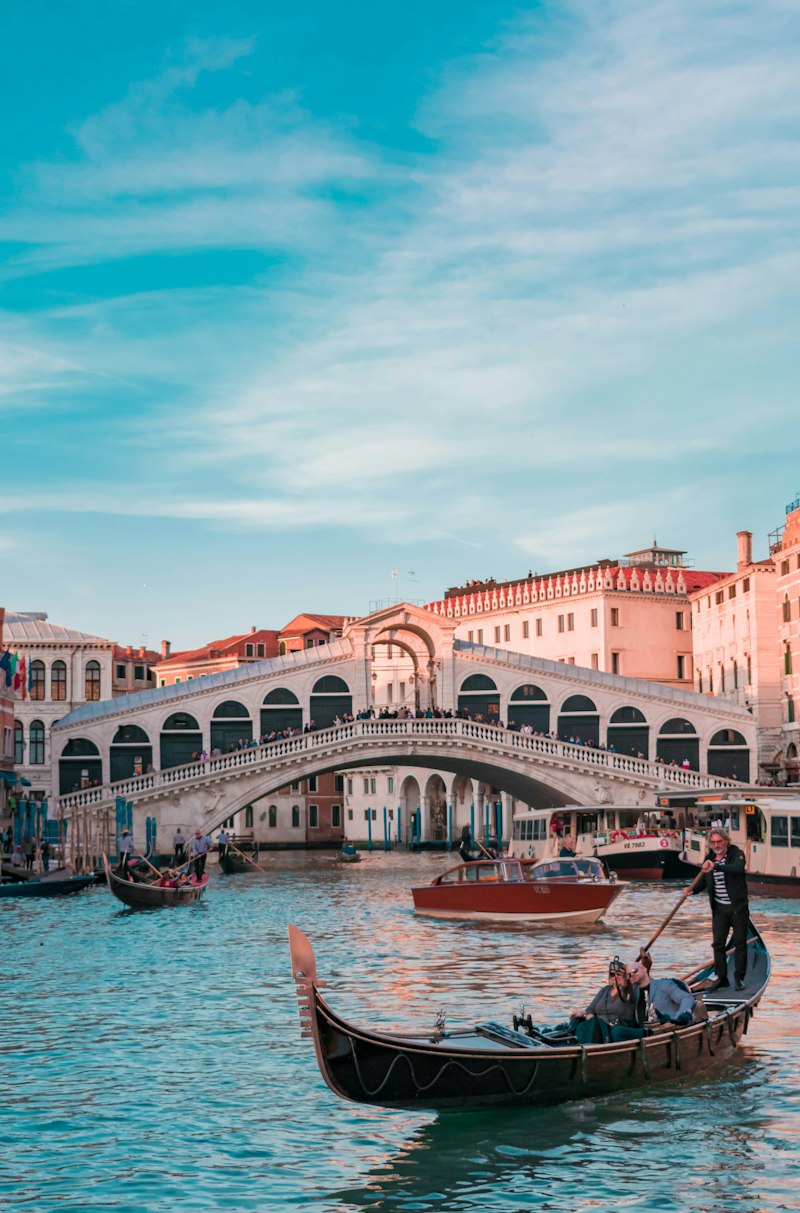
Carnival is also celebrated in other places, including Venice, Italy, where people wear elaborate masks and costumes. The Venice Carnival dates back over 800 years!
Hanukkah: The Festival of Lights
Hanukkah is a Jewish celebration that usually happens in December (the dates change each year because the Jewish calendar is different from the calendar most of us use). Hanukkah remembers a time over 2,000 years ago when Jewish people reclaimed their temple in Jerusalem from enemies who had taken it over.
The story goes that when the Jewish people tried to light the temple's menorah (a special candle holder with seven or nine branches), they only had enough oil to keep the flame burning for one day. But miraculously, the oil lasted for eight days! That's why Hanukkah lasts for eight nights.
During Hanukkah, families light one candle on the menorah each night, play a game with a spinning top called a dreidel, and eat foods fried in oil (like potato pancakes called latkes and jelly-filled donuts called sufganiyot). Children often receive gifts or "gelt" (chocolate coins)!
Ramadan and Eid
For millions of Muslims around the world, Ramadan is the most sacred month of the year. During Ramadan, Muslims fast (don't eat or drink) from sunrise to sunset every day for a month. Fasting teaches self-discipline, empathy for those who are hungry, and gratitude for what we have.
Ramadan is not just about giving up food—it's also a time for prayer, reading the Quran (the Islamic holy book), and doing good deeds. Families wake up early to eat a meal before sunrise called suhoor, and they break their fast at sunset with a meal called iftar.
At the end of Ramadan comes Eid al-Fitr, a joyful holiday that celebrates the end of fasting. Muslims wear their best clothes, attend prayers at mosques, visit family and friends, and enjoy special foods and sweets. Children often receive new clothes and gifts. It's a time of happiness and togetherness!
Japanese Cherry Blossom Festival (Sakura)
In Japan, spring is a magical time because of sakura—cherry blossoms! For just a few weeks each year, cherry trees burst into bloom, covering parks and streets with beautiful pink and white petals. The Japanese tradition of hanami (which means "flower viewing") dates back over 1,000 years.
During sakura season, families and friends gather in parks under the cherry trees to have picnics, drink tea, and enjoy the fleeting beauty of the blossoms. The blossoms are so cherished because they only last for about two weeks before the petals fall like pink snow. This reminds people to appreciate beautiful moments while they last.
In Japanese culture, cherry blossoms represent the idea that beautiful things don't last forever—and that's okay. It's a reminder to enjoy life and find beauty in change.
What Do All Cultures Have in Common?
While all these celebrations look different, they actually share some important things in common. Let's look at what connects us:
- Family – Every celebration brings families and communities together
- Food – Special meals and treats are part of every holiday
- Music – Songs and dancing are found in celebrations everywhere
- Stories – Every culture has stories that explain their traditions
- Hope – Most celebrations look forward to something good
Whether you're lighting lanterns for Chinese New Year, spinning a dreidel during Hanukkah, or watching cherry blossoms bloom in Japan, you're participating in something that humans have done for thousands of years: coming together to celebrate, remember, and share joy with the people we love.
Being Curious About Other Cultures
The world has so many different cultures, and that's something to celebrate! When we learn about other people's traditions, we develop respect and understanding. Here are some ways to explore other cultures:
- Try foods from different cultures (have you ever tried sushi, pad thai, or injera bread?)
- Ask friends at school about their family traditions
- Visit cultural museums or festivals in your community
- Learn a few words in another language
- Read folktales and myths from different countries
Remember, there's no "right" or "best" culture—they're all special and meaningful to the people who share them. Being curious and respectful about other cultures helps us become better global citizens. After all, our world is like a big, beautiful mosaic made up of millions of different pieces—and every single one matters!
Ready to learn more about the world? Check out the articles below!