Protecting Our Planet: A Kid's Guide to the Environment
Look up at the sky. Down at your feet. Out your window at the trees, birds, or buildings. Everything you see—all of it—is part of Earth, our home. And it's the only home humans have ever known!
Earth is about 4.5 billion years old. That's a number so big it's hard to imagine. In all that time, Earth has been home to incredible creatures like dinosaurs, giant woolly mammoths, and millions of species of plants and animals. Today, Earth is home to over 8 billion people, plus all the animals, plants, and organisms that share our world.
But Earth needs our help. Our planet is facing some big challenges, like pollution, climate change, and animals losing their homes. The good news? Kids like YOU can make a difference! Even small actions add up when millions of people do them together. Let's learn how you can help protect our amazing planet!
The Three R's: Reduce, Reuse, Recycle
You've probably heard adults talk about the "three R's" when it comes to helping the environment. Let's break down what each one means and how YOU can practice them every day.
REDUCE means using less stuff. Before you buy something new, ask yourself: "Do I really need this?" If the answer is no, don't get it! If yes, try to choose products with less packaging. Buying less stuff means less trash in landfills.
REUSE means using things more than once instead of throwing them away. Got a plastic bag from the grocery store? Use it again! Have an old t-shirt you don't wear anymore? Turn it into a cleaning rag! Get creative! Here are some ideas:
- Use a refillable water bottle instead of buying plastic bottles
- Bring your own bags to the store
- Use both sides of a piece of paper for drawing or homework
- Donate old toys and clothes instead of throwing them away
- Repurpose glass jars as storage containers
RECYCLE means turning old materials into new products. Paper, plastic, glass, and metal can often be recycled and made into new things. Recycling uses less energy than making products from brand-new materials. But remember: recycling only works if we do it right! Make sure to:
- Clean out food containers before recycling them
- Check what materials your local recycling program accepts
- Never put plastic bags in regular recycling—they can jam the machines!
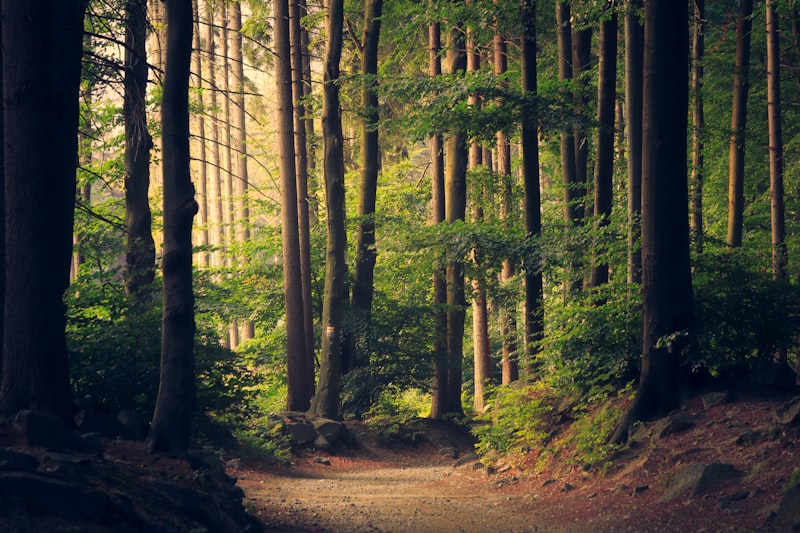
Trees Are Amazing!
Next time you see a tree, give yourself a high-five (mentally) because trees are awesome! Trees do incredible things for our planet:
- They make oxygen – Trees breathe in carbon dioxide (a gas that's in the air) and breathe out oxygen, which is what we need to live. One large tree can provide enough oxygen for two people for a whole year!
- They clean our air – Trees filter out bad stuff from the air, making it cleaner for us to breathe.
- They give homes – Birds, squirrels, insects, and many other animals live in trees. A single tree can be home to hundreds of species!
- They cool us down – Trees provide shade and release water into the air, which helps cool down neighborhoods on hot summer days.
- They prevent erosion – Tree roots hold soil in place, preventing dirt from washing away when it rains.
Forests cover about 30% of Earth's land. But every year, millions of trees are cut down for paper, wood, and to make room for farms and buildings. You can help by using less paper (print on both sides!), buying products made from recycled paper, and planting trees in your community.
What Is Climate Change?
You've probably heard adults talking about "climate change" on the news. Let's understand what that means in simple terms.
Earth is wrapped in a blanket of gases called the atmosphere. This blanket keeps us warm enough to live—it traps some heat from the sun so Earth doesn't get too cold at night. This is normal and good!
But here's the problem: when we burn fossil fuels like gasoline, coal, and natural gas (to power cars, factories, and electricity), it adds extra gases to the atmosphere. These extra gases make the blanket thicker and trap MORE heat. That's why scientists say Earth is getting warmer.
When Earth warms up a little bit, it causes big problems:
- Ice caps melt – The Arctic and Antarctic ice is melting, which harms animals like polar bears and penguins that need ice to survive.
- Sea levels rise – Melting ice makes ocean water higher, which can flood coastal cities and beaches.
- Weather gets weirder – Some places get more hurricanes and floods; others get worse droughts and wildfires.
- Animals lose habitats – Animals that live in cold places (like seals and snow leopards) are running out of places to live.
The good news is that we can all help by using less energy. Turn off lights when you leave a room. Unplug chargers when you're not using them. Walk or bike instead of driving when you can. Every little bit helps!
Protecting Animals and Their Homes
Earth is home to over 8 million species of animals! That's a huge number. And every single one of them plays an important role in nature. When one species disappears, it affects many other species—like a chain reaction.
But many animals are in danger of becoming extinct (which means there won't be any left). Why? Because:
- Their habitats (homes) are being destroyed to make room for farms, cities, and roads
- They're being hunted or caught faster than they can reproduce
- Pollution makes their homes unsafe
- Climate change is changing their environments too quickly
Some animals in danger include elephants (for their ivory tusks), tigers (for their fur and body parts), sea turtles (they get accidentally caught in fishing nets), and whales (hunted for their oil and meat). Many countries have laws to protect these animals, and there are special places called wildlife reserves where animals can live safely.
What can you do to help?
- Never buy products made from wild animals (like ivory or fur)
- Learn about endangered species and share what you know
- Support organizations that protect wildlife
- Never litter—animals can get hurt by trash
Saving Water and Energy
You probably don't think much about water—you just turn on the faucet and there it is! But clean freshwater is actually pretty rare. Only about 1% of Earth's water is freshwater that we can drink. The rest is salt water in the ocean or frozen in ice caps.
And energy? We use energy every day—to charge your phone, watch TV, ride in cars, and keep our homes at a comfortable temperature. But making energy often creates pollution. So saving energy means less pollution!
Here are some easy ways to save water and energy:
- Turn off the tap while brushing your teeth. You'll save gallons of water!
- Take shorter showers – five minutes instead of fifteen can save up to 10 gallons!
- Turn off lights when you leave a room
- Unplug chargers and electronics when not in use—they still use energy even when turned off!
- Fill up the dishwasher or washing machine before running them
- Use a reusable water bottle instead of buying plastic bottles
- Walk or bike for short trips instead of asking for a car ride
You CAN Make a Difference!
I know sometimes it might feel like the problems facing our planet are too big for one person to fix. But here's something important to remember: millions of kids just like you are learning about these issues and taking action. When we all work together, amazing things can happen!
Here are some ideas for how you can be an environmental hero:
- Start a recycling program at school or in your neighborhood
- Plant a garden – even a small one in a pot can help!
- Organize a cleanup – grab some friends and pick up litter at a local park or beach
- Educate others – share what you've learned with family and friends
- Write letters to local leaders asking them to support environmental protections
- Make art from recycled materials instead of throwing things away
Some of the world's biggest environmental changes started because one person (or a small group of people) cared enough to make a difference. You could be that person!
Remember: we only have one Earth. It's our home, and it's home to millions of other species too. Taking care of our planet isn't just about protecting the environment—it's about protecting our future, the future of animals and plants, and the future of everyone who will live after us.
So next time you turn off a light, recycle a plastic bottle, or pick up a piece of litter, give yourself a pat on the back. You're doing something good for our planet!
Want to learn more about science and nature? Check out the articles below!