Nutrition and Healthy Eating: Facts Every Kid Should Know
Think about the last time you ran around a playground or tried to beat a video game level. What made that possible? The answer is food! The stuff you eat every day is literally what gives you the energy to think, move, play, and grow. But not all foods are created equal, and understanding why can make you feel like a total superhero.
You've probably heard adults talking about "eating healthy" and maybe wondered what that actually means. Is it about eating boring salads? Never eating pizza again? Actually, no! Healthy eating is about learning which foods help your body and brain work their best, and figuring out how to enjoy lots of different foods. Let's dig into the delicious world of nutrition.
The Five Food Groups: Your Eating Squad
Back in school lunch trays everywhere, you might have noticed that different foods are grouped together. That's not just because they look similar — it's because foods in the same group give your body similar stuff. There are five main food groups, and each one has an important job.
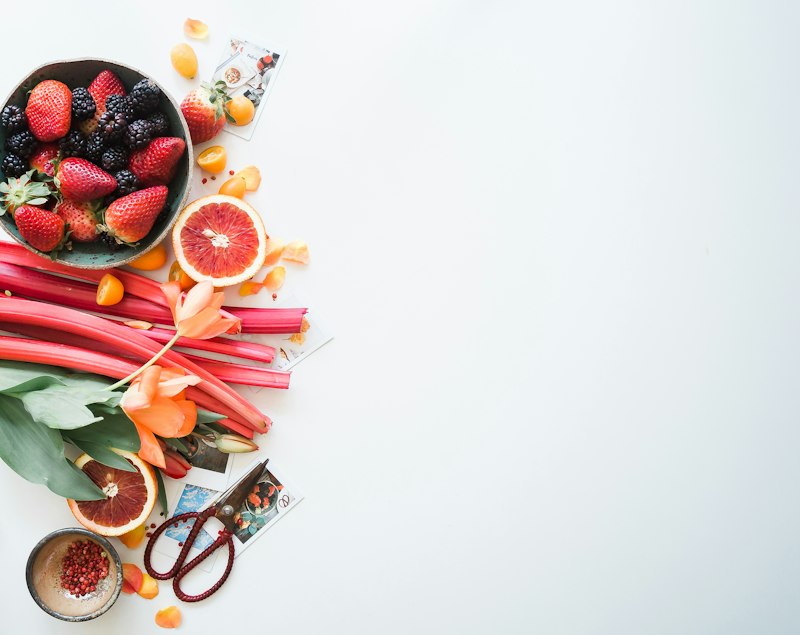
Fruits are packed with vitamins (especially vitamin C, which helps your immune system fight off colds) and natural sugars that give you quick energy. Apples, bananas, berries, oranges — all amazing. The best part? You can eat them raw, which means no cooking required. Try to eat whole fruits instead of just drinking juice, because whole fruits have fiber that keeps your digestive system running smoothly.
Vegetables come in so many colors and flavors that you could literally eat them your whole life and still discover new ones. Leafy greens like spinach and lettuce give you iron and vitamins, orange veggies like carrots and sweet potatoes are full of vitamin A (great for your eyes), and broccoli is like a tiny tree full of good-for-you stuff. Vegetables have vitamins, minerals, and fiber with hardly any calories, so you can eat lots of them without worry.
Grains are foods made from wheat, rice, oats, corn, and similar plants. Think bread, pasta, cereal, rice, and oats. Your body uses grains for energy the most efficiently. Look for "whole grain" on labels whenever you can — whole grains have the entire seed, which means more fiber and nutrients than "enriched" grains where some good stuff was taken out and put back in.
Proteins are the building blocks of muscles, skin, and lots of other body parts. Meat, fish, chicken, eggs, beans, nuts, and tofu all have protein. Fish is especially cool because it also has stuff that's good for your brain. You don't need huge amounts — just some protein at each meal keeps things balanced.
Dairy includes milk, cheese, yogurt, and other foods made from milk. Dairy is famous for calcium, which your bones and teeth need to stay strong. If you can't drink regular milk (some people are lactose intolerant), there are other options like soy milk or almond milk that often have calcium added. Cheese and yogurt count too, and they're sometimes easier to digest.
Building a Balanced Meal: Meet MyPlate
You've probably seen the food pyramid before, but these days, nutrition scientists use something called MyPlate. It's literally a plate divided into sections, which makes it super easy to understand. Imagine drawing a line down the middle of your plate — one half is for fruits and vegetables, and the other half is split between grains and proteins. A small circle up top shows dairy, like a glass of milk or a bit of cheese on the side.
This doesn't mean every single meal has to be perfectly balanced like a science experiment. It's about getting the right stuff over the course of a day or a week. If you had a bigger dinner with lots of veggies, maybe tomorrow's lunch can be a bit different. It's the overall picture that matters.
One helpful habit is to look at your plate before you start eating. How much green do you see? How much color in general? A plate full of different colors usually means you're getting lots of different vitamins and nutrients. A plate that's mostly brown and beige might be tasty, but it's probably missing some of the good stuff your body needs.
Why Breakfast Really Is the Most Important Meal
You hear it all the time: "Don't skip breakfast!" But is it actually that important? The answer is a resounding yes, and here's why in language your stomach can understand.
After sleeping all night, your body has been running on empty for eight or more hours. Your brain, especially, needs fuel to wake up and get ready for the day. When you eat breakfast, you're basically giving your brain a jumpstart. Studies show that kids who eat breakfast do better in school — they remember things better, solve problems faster, and pay more attention. That's not coincidence; it's science!
Breakfast doesn't have to be complicated, either. Some good options include whole-grain cereal with milk and fruit, a peanut butter banana smoothie, scrambled eggs with toast, or even leftover pizza (hey, we're not here to judge). The key is to include something from at least a couple of food groups so you're getting a good mix of nutrients.
If mornings are always hectic in your house, try setting out breakfast things the night before. Or keep grab-and-go options like granola bars or bananas on hand. Once you get into the habit of eating breakfast, you'll probably notice that you feel less cranky and more ready to tackle your morning.
The Sugar Hiding in Your Drinks and Snacks
Here's something that might surprise you: some of the sneakiest sugar in the American diet doesn't come from cookies or candy at all. It comes from drinks. A single can of soda can have more sugar than a candy bar — sometimes around 10 teaspoons of sugar! That's a lot, especially when you consider that the American Heart Association says kids should have no more than about 6-9 teaspoons of added sugar per day.
Sports drinks, fruit punches, sweetened teas, and even some "healthy" drinks at the store can be sugar bombs in disguise. Always check the nutrition label, especially the "Added Sugars" line. One clue: if sugar is one of the first three ingredients, that's a red flag that there's a lot of it.
Snacks are another place sugar hides. Granola bars sound healthy but can be packed with sugar. Flavored yogurts often have more sugar than plain yogurt with a drizzle of honey. Even some cereals marketed to kids have tons of added sugar. The trick is to compare labels and choose options with less added sugar when you can.
Water vs. Soda: Why Hydration Matters
Your body is about 60% water. That sounds like a lot, but you're constantly losing water through sweating, breathing, and, well, other stuff. So you need to keep topping it up. Water does amazing things for your body: it helps your blood carry nutrients, keeps your temperature steady, cushions your brain and spinal cord, and removes waste.
When you're thirsty, water is almost always the best choice. Milk is good too — it has calcium and protein, and the chocolate milk after soccer practice isn't as bad as some people make it sound (the carbohydrates in chocolate milk actually help with muscle recovery). But sodas, even diet ones, aren't doing your body any favors. The acid in soda can actually hurt your tooth enamel over time.
How much water should you drink? There's no magic number that works for everyone, since it depends on how active you are, how hot it is, and how big you are. A good rule of thumb is to drink water when you're thirsty and to pay attention to the color of your pee (sounds weird, but it's actually useful). Pale yellow means you're well-hydrated; dark yellow means you need more fluids.
Food Gives You Energy to Run and Think
Think of food like fuel for a car. Gas makes a car go, and food makes your body go. But here's the cool part: different foods provide different types of energy. Carbohydrates (found in grains, fruits, and vegetables) break down into glucose, which is your body's favorite quick fuel. That's why athletes "carb load" before big events.
Proteins take longer to break down, so they provide more sustained energy. Fats also take a while to digest, giving you long-lasting fuel. This is why eating a breakfast with protein (like eggs) along with carbs (like toast) can keep you full and focused longer than just eating carbs alone.
And it's not just physical energy — your brain runs on glucose too. That afternoon slump you feel after a big lunch? It might be because your body is working hard to digest a heavy meal, which takes blood flow away from your brain temporarily. Smaller, balanced meals and snacks can help you avoid that foggy feeling.
Trying New Foods Without the Pressure
Maybe you've heard of "picky eaters" — people who only want to eat a few specific foods and refuse to try anything new. It's actually super common, especially in kids. Some experts think it might be related to evolution: back in prehistoric times, being suspicious of new foods could protect you from eating something poisonous. So being cautious about new foods is kind of built into us.
If you're trying to be more adventurous with food, here are some tricks that actually work. First, you don't have to eat a whole serving of something new — just one bite counts as trying it. Second, try new foods when you're a little hungry, not when you're starving hangry. Third, sometimes you need to try a food multiple times before you decide if you like it. Seriously! Studies show that it can take up to 15 exposures to a new food before your taste buds fully adjust.
Another tip: make trying new foods low-pressure. Don't announce to everyone that you're trying something weird — just take a bite and think about it quietly. And remember, it's okay to not like something! Your taste buds are unique to you, and nobody loves every single food.
Putting It All Together
Healthy eating isn't about being perfect or never eating dessert. It's about knowing what your body needs and trying to give it good fuel most of the time. The occasional treat is totally fine — food is also about enjoyment, culture, and connecting with others. Birthday cake at a party? Have a slice and enjoy it. Just don't make cake an everyday thing.
Small changes add up. Maybe you swap out one sugary drink per day for water. Maybe you try one new vegetable each week. Maybe you convince your family to make at least one meal Meatless Monday-style. These tiny shifts, over time, become habits, and habits become who you are.
Remember: you're learning this stuff young, which is awesome. A lot of adults never learned about nutrition at all and are just figuring it out now. You're already ahead of the game by reading this article and caring about what goes into your body. Your future self will thank you for it!